


Overview:
Pacific leaders and ministers will convene in Port Moresby from May 4–8 for the Sixth Pacific Regional Energy and Transport Ministers Meeting (PRETMM), a key forum shaping the region’s approach to energy security, transport connectivity, and climate resilience. As island nations grapple with rising fuel costs and infrastructure challenges, the summit is expected to set priorities that will directly influence development pathways across the Blue Pacific.
By Ngeldei Tulop
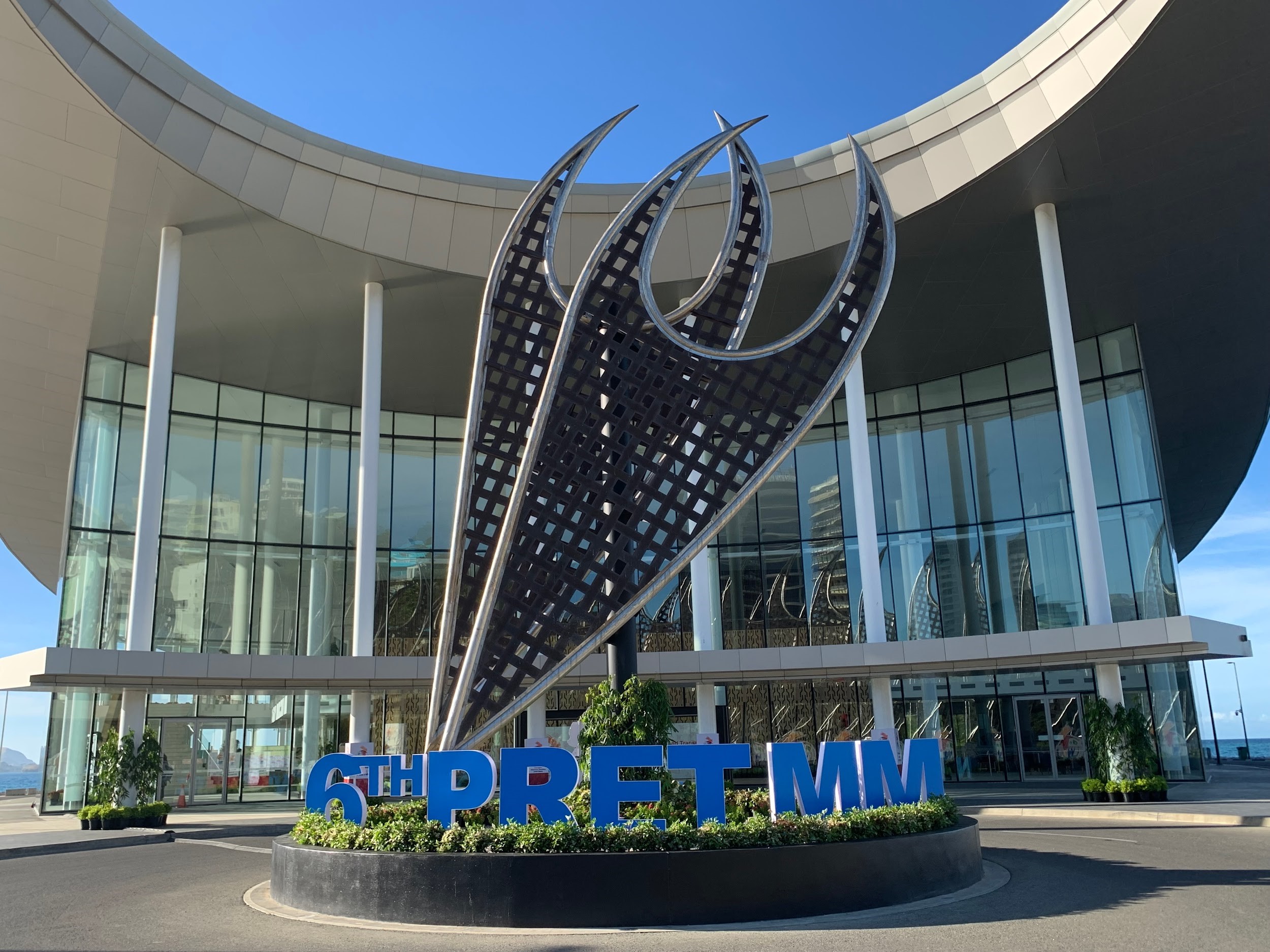
PORT MORESBY, Papua New Guinea – Pacific leaders, ministers, development partners will gather in Port Moresby from May 4th-8th for the Sixth Pacific Regional Energy and Transport Ministers Meeting (PRETMM), under the theme “Scaling Connectivity for a Prosperous Blue Pacific,” a key regional forum focused on strengthening connectivity and sustainability across island nations.
Organized through regional cooperation mechanisms led by the Pacific Community (SPC) and partner agencies, the week-long event will include preparatory sessions for officials, technical discussions, and side meetings before ministers convene for formal dialogue and decision-making.
Energy security remains a central issue for Pacific countries, many of which depend heavily on imported fuel. Volatile global prices continue to place pressure on government budgets and increase the cost of living. In response, countries have been pursuing renewable energy solutions such as solar, wind, and other locally available resources. The meeting is expected to review progress, identify gaps, and outline practical steps to accelerate the transition while maintaining reliability and affordability.
Transport connectivity is also expected to feature prominently. In a region defined by geographic dispersion, reliable transport networks are essential for trade, tourism, and access to basic services. Ministers are expected to discuss improvements in maritime and aviation systems, including inter-island shipping, port upgrades, and regional air links. Strengthening these systems is seen as critical to economic development and regional integration.
The 2026 meeting takes place against the backdrop of increasing climate-related pressures. Rising sea levels, extreme weather events, and infrastructure vulnerability continue to affect both energy and transport sectors. Discussions are expected to emphasize resilience, with a focus on designing and maintaining infrastructure that can withstand environmental risks while supporting long-term development.
Regional cooperation remains a central element of the PRETMM process. By sharing knowledge, coordinating policies, and leveraging collective capacity, Pacific nations aim to address common challenges more effectively. Development partners are expected to support these efforts through financing, technical assistance, and capacity-building initiatives aligned with regional priorities.
Papua New Guinea’s role as host underscores its position in regional infrastructure and energy discussions, with Port Moresby serving as a hub for high-level dialogue during the meeting. The gathering also provides opportunities for bilateral and multilateral engagements, allowing countries to advance specific projects and partnerships on the sidelines.
Outcomes from PRETMM 2026 are expected to shape regional strategies and guide future investments in energy and transport. For small island states such as Palau, the decisions carry direct relevance, influencing national planning, access to funding, and long-term development pathways.
As ministers convene, the meeting reflects a continued regional effort to balance economic growth with sustainability and resilience, while strengthening cooperation in addressing shared challenges across the Pacific.