


Overview:
In Koror, a classroom came alive with laughter and learning as Palauan students discovered the joy of dumpling-making—an experience that blended culture, agriculture and friendship. Guided by Taiwan’s Technical Mission, the hands-on activity offered more than a taste of tradition, strengthening people-to-people ties between Palau and Taiwan.
By: Laurel Marewibuel
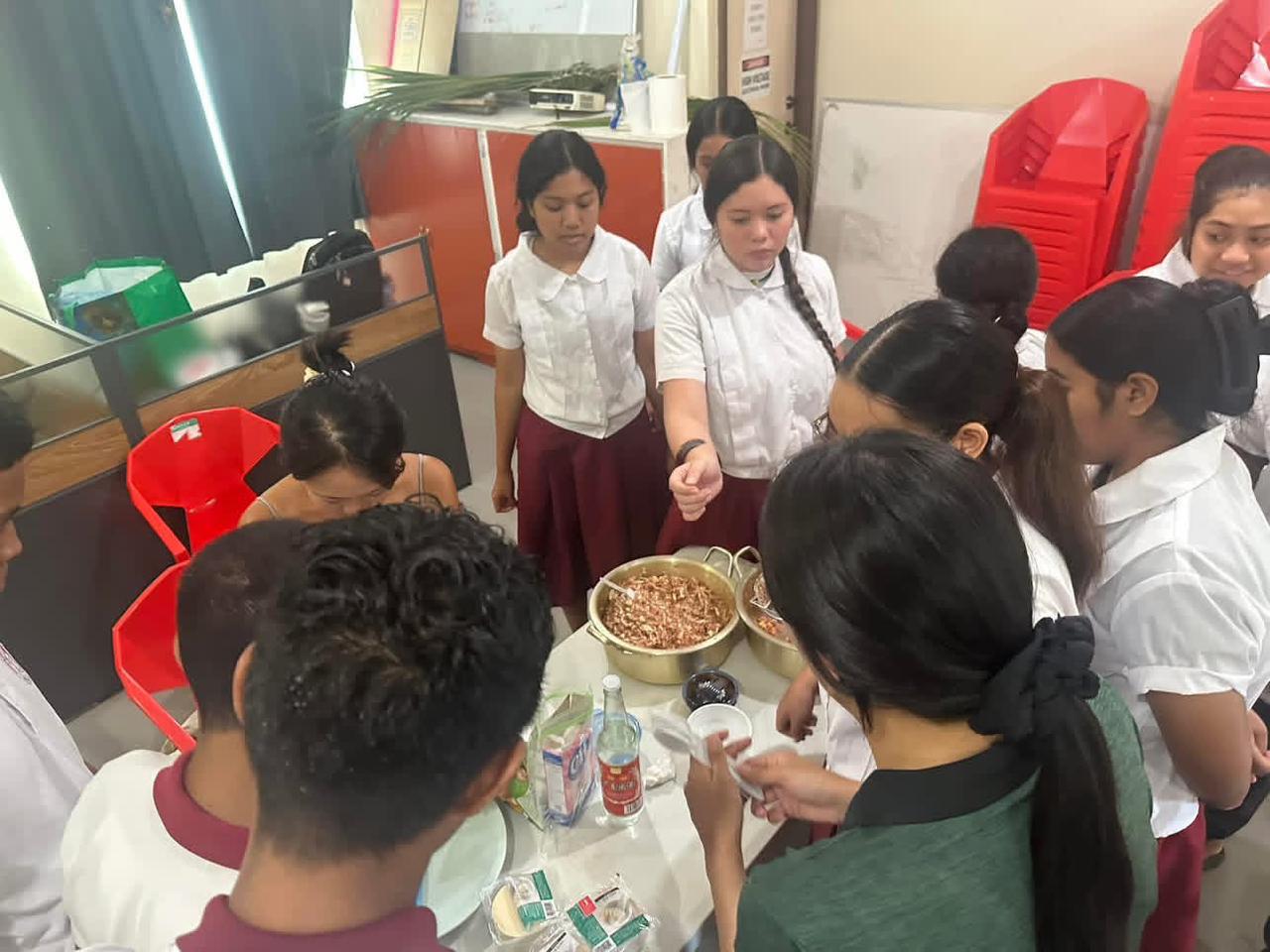
KOROR, Palau — Laughter echoed through a sunlit classroom as Palauan students rolled dough, stuffed vegetables and shaped steaming dumplings, blending Taiwanese tradition with local agriculture in a flavorful lesson on reunion and connection.
Jessie, a Mandarin teacher with Taiwan’s Technical Mission in Palau, orchestrated the Chinese New Year activity using fresh produce from the mission’s farms. “Cultural activities like dumpling-making… meaningfully complement the Taiwan Technical Mission’s work in Palau,” she said. “We used vegetables provided by the Taiwan Technical Mission, which allowed students to connect the cultural experience with the Mission’s agricultural efforts in the local community. Integrating cultural elements helps build deeper people-to-people connections, making the overall exchange more holistic and impactful.”
Beyond language lessons, the hands-on session ignited curiosity. “It is very important for students to experience traditions hands-on rather than only learning about them in class,” Jessie emphasized. “Activities like making dumplings create a more engaging and memorable learning environment. Students can better understand the cultural significance… such as the idea of reunion and sharing during Chinese New Year. It also encourages participation, collaboration, and curiosity, which are essential for effective learning.”
For Palauan youth, the dumplings were more than a meal — a bridge to new horizons. Jessie hopes it fosters lasting bonds: “Experiences like this can help Palauan students develop a more personal and positive understanding of Taiwanese and Chinese culture. By participating directly, they are able to form an emotional connection with the tradition… Ideally, this can spark greater interest in cultural exchange, language learning, and even future opportunities to study, travel, or collaborate with Taiwan.”