


Overview:
At the heart of Palauan families are traditions that guide everything from birth and funerals to leadership and family obligations. At the 33rd Mechesil Belau Conference, women examined their own role as keepers of those traditions — and called for greater care in preserving authentic cultural practices.
By: L.N. Reklai
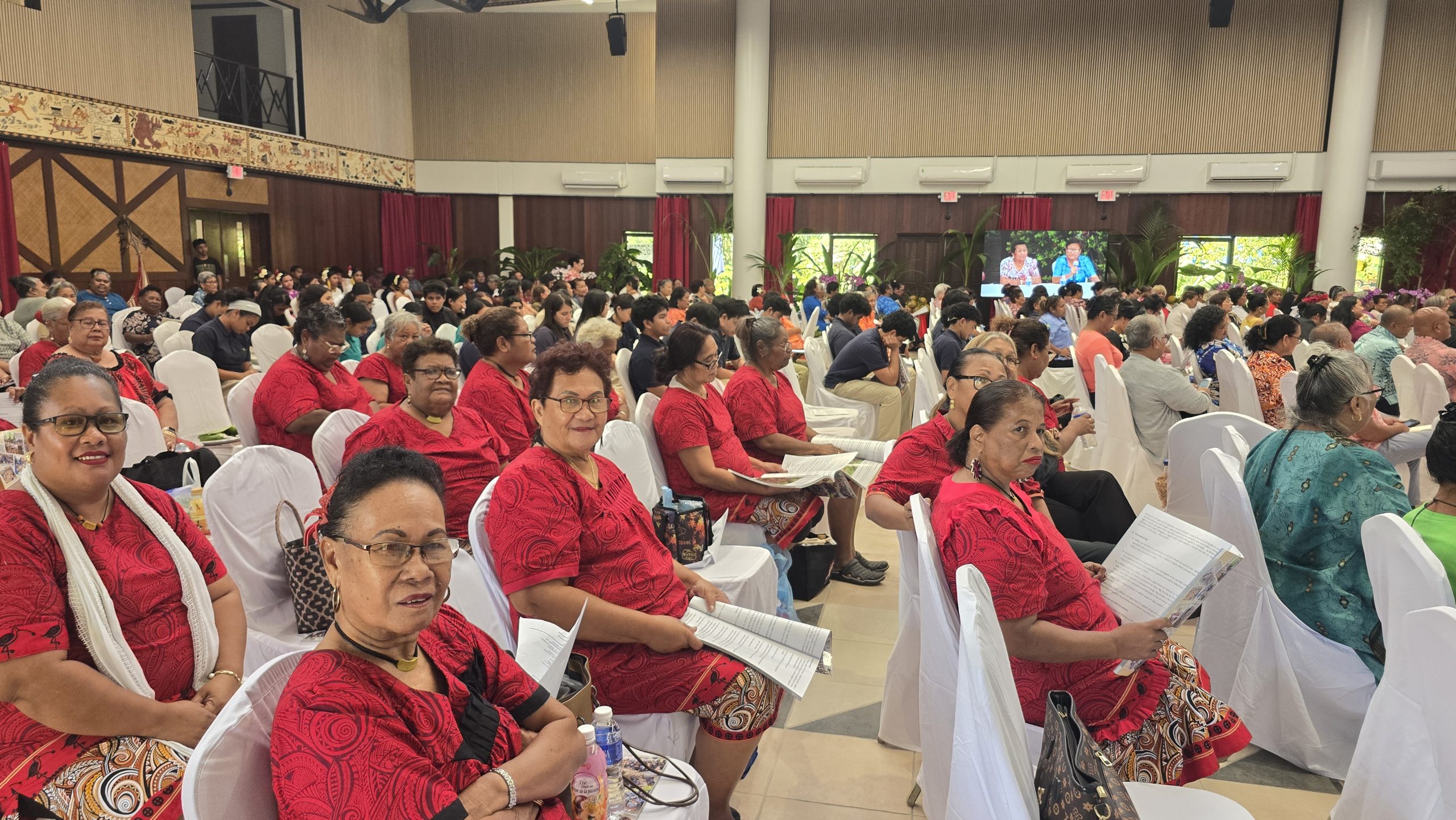
KOROR, Palau — Palauan women, as keepers of the nation’s cultural traditions in a matrilineal society, have a responsibility to ensure that traditional customs are practiced correctly and passed on to future generations, participants at the 33rd annual Mechesil Belau Conference said.
During a panel discussion on traditional leadership, cultural values and women’s roles, Bilung Gloria Salii of Koror said women play a central role in preserving Palauan culture and ensuring that traditional practices remain rooted in established customs.

The discussion also acknowledged that women themselves can contribute to changes in cultural practices that may depart from tradition or place additional financial pressure on families.
The annual conference, which has been held for more than 30 years, brought together women from different states to discuss cultural practices and issues affecting Palauan families.
Panelists discussed traditions surrounding funerals, or kemeldiil; the settling of wills, or cheldecheduch; the appointment of chiefs; first-birth ceremonies, or omengat; Palauan money; and the different responsibilities of men and women in each practice.
Women shared perspectives based on the customs of their respective states and families. Some practices were identified as inconsistent with traditional cultural norms.

One example discussed was the participation of men in an omengat, a ceremony marking the birth of a first child. Participants also questioned the practice of giving Palauan money for a baby during the omengat-omdoud ra ngalek ceremony.
The discussion recognized that many of these decisions are made by women, reinforcing their important role in determining how cultural practices are carried out and passed down.
Participants encouraged women to return to established cultural practices rather than adding customs or expectations that can create unnecessary financial burdens for families.
The discussion reflected a broader responsibility for Palauan women as cultural custodians. In a matrilineal society, women are central to maintaining family relationships, traditional obligations and practices that shape important stages of Palauan life.
The theme of this year’s Mechesil Belau Conference was “Our Children are the Most Precious Resources.” Much of the conference focused on ways to support children’s well-being.
The inclusion of cultural practices and norms in the conference reflects their continuing importance to the well-being of Palauan families. Participants emphasized that the way traditions are practiced today will influence what children learn, carry forward and pass on to future generations.